There is a date circled on the calendars of plumbers and energy assessors across Victoria, even if most homeowners have not noticed it yet. From 1 March 2027, the rules around how a Victorian home heats its water change for good.
For anyone renovating in the next couple of years, that date is not a distant abstraction. It is a reason to make decisions now, while the choice is still yours to make calmly.
What Changes in March 2027
Under regulations announced by the Victorian Government, from 1 March 2027 a gas hot water system that reaches the end of its life must be replaced with an efficient electric alternative, typically a heat pump. Replacing it with another gas unit will no longer be permitted.
The detail that matters is that this is an end-of-life rule, not a ban on existing appliances. Your current gas system can keep running, and can still be repaired if it breaks down. The obligation only bites at the point of replacement.
The government frames it as a hip-pocket measure as much as an emissions one. By its own figures, switching to an efficient electric hot water system will save households around $330 a year, rising to about $520 for homes with solar.
There is also money on the table to soften the upfront cost. Rebates under the Victorian Energy Upgrades and Solar Victoria programs can reach up to $1,400, and the systems are often cheaper to buy in the first place than people assume.
Why a Renovation Is the Moment to Deal With This
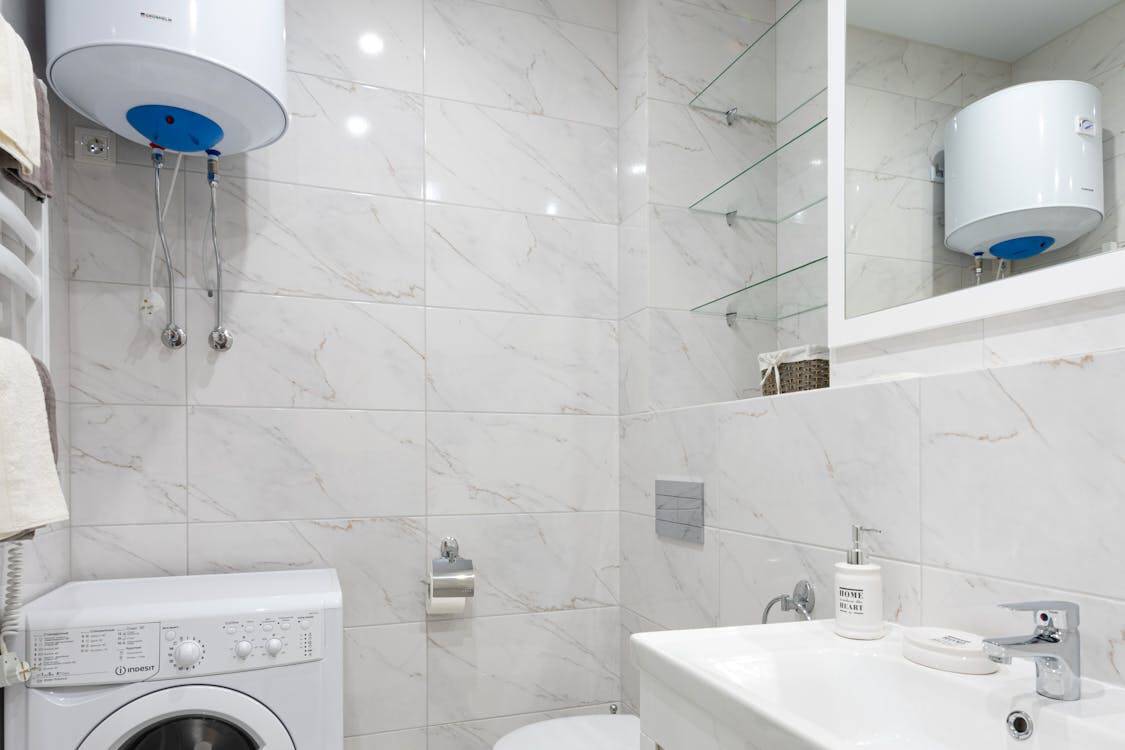
The worst time to switch a hot water system is the morning it fails. The water runs cold, the replacement becomes urgent, and there is no time to compare installers, plan the location, or check that the home’s electrical capacity can handle it.
A renovation flips that scenario entirely. When walls are already open, trades are already on site, and the home is being reconfigured anyway, folding in an electrification upgrade is far cheaper and cleaner than retrofitting it later under pressure.
It also lets the upgrade be designed properly rather than bolted on. The location of a heat pump, its relationship to a solar setup, and how it ties into the home’s electrical board are all decisions best made on a drawing board, not in an emergency.
This is why working with renovation builders who understand the coming standards pays off, and why high-end Melbourne property renovations increasingly treat electrification as part of the brief rather than an afterthought. Building it into the project now avoids a forced, rushed and more expensive switch down the track.
The Bigger Picture for Melbourne Homes
The hot water rule is one piece of a broader shift. From January 2027, all new Victorian homes must be built all-electric, and the rebate landscape has already pivoted firmly toward heat pumps and efficient electric appliances.
For renovators, the direction of travel is unmistakable. A home upgraded today with gas at its centre is, in a real sense, being fitted with technology the state is actively moving away from, which has implications for both running costs and future resale appeal.
None of this means panic. It means planning. The households that come out ahead are the ones treating 2026 and early 2027 as a window to make the switch on their own terms, ideally as part of a renovation they were going to do anyway.
A good renovation has always been about future-proofing a home, not just refreshing it. Right now, in Victoria, future-proofing and electrification have quietly become the same conversation.