When a family decides to care for an aging parent at home, the conversation is almost always about the parent. Rarely does anyone ask the harder question: what is this going to do to the caregiver?
The answer, in the research, is sobering. Elderly spousal caregivers under heavy strain have been found to carry a 63% higher mortality rate than their non-caregiving peers, and a third or more of dementia caregivers show signs of depression.
For San Diego families shouldering care on their own, that toll is the hidden line item, and it is exactly what coordinated senior care is designed to lighten.
The Caregiver Who Quietly Breaks Down
Family caregiving rarely arrives as a decision. It accumulates. One task, then another, until a daughter or spouse is effectively running a small care operation on top of their own life.
The strain shows up physically and emotionally. Lost sleep, skipped medical appointments of their own, anxiety, depression, and the slow erosion that comes from being on call indefinitely.
Much of this stays invisible because caregivers downplay it. They are focused on the person they care for, not on the warning lights flashing in their own health.
The cruel irony is that when the caregiver finally breaks down, the whole arrangement collapses, and the person they were protecting often ends up in exactly the facility everyone was trying to avoid.
How Coordination Takes Weight Off the Family
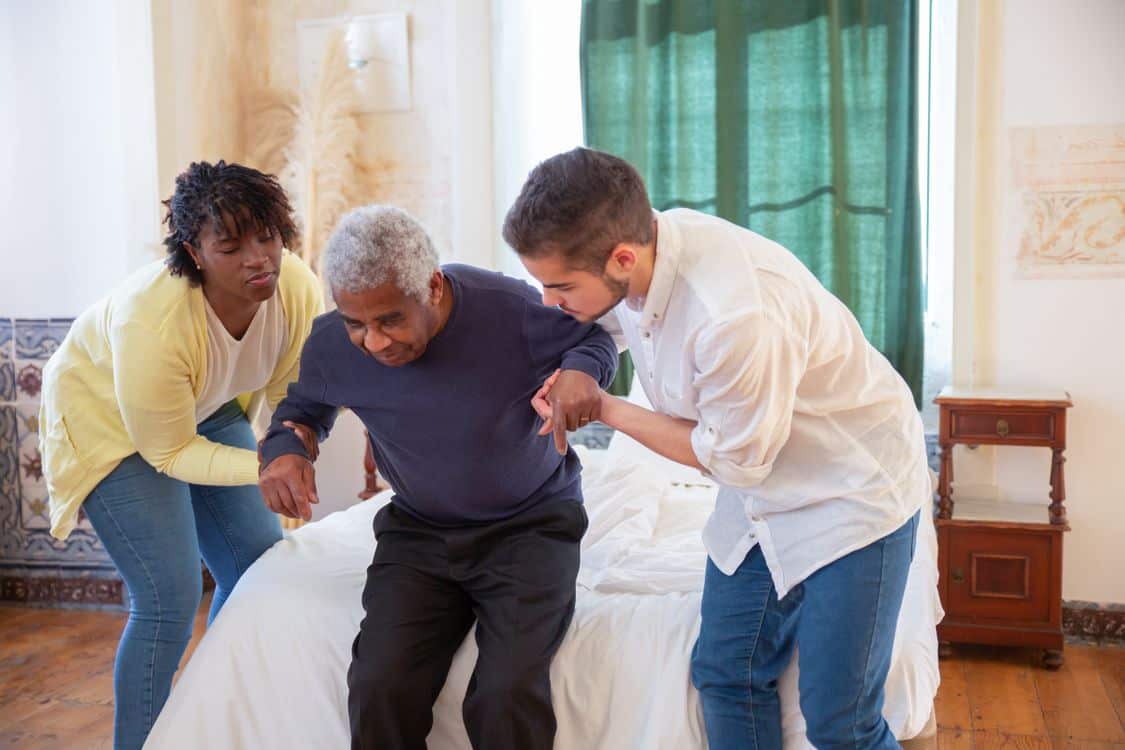
This is the part of coordinated, community-based senior care that families underestimate. It is not only care for the older adult. It is relief for the people around them.
When a single team takes on the medical coordination, the medication management, the transportation, and the day-to-day support, the family member stops being the sole point of failure. The center-based day services alone can give a working caregiver back hours, and sometimes whole days.
That breathing room is not a luxury. It is what allows a caregiver to keep their job, tend to their own health, sleep, and stay in the role long-term without burning out.
Respite, in other words, is built into the model rather than something a family has to scramble to arrange in a crisis. The team is designed to carry the load that would otherwise land entirely on one exhausted relative.
Protecting the Caregiver Is Part of the Care Plan
The uncomfortable truth is that an aging parent’s stability often depends on the caregiver’s stability. If the caregiver collapses, the plan collapses.
For San Diego families, that reframes the decision. Choosing coordinated support is not only about giving an older adult better care. It is about protecting the health and longevity of the family member providing it.
The caregiver health statistics are a warning worth taking seriously before strain turns into something worse. Understanding how coordinated senior care can reduce that burden is one of the more important things a family can do, both for the parent and for the person looking after them.