Chimney cracks can look harmless at first glance yet they have the potential to change how a fireplace or heating appliance behaves in the home. Small fissures, gaps in mortar, or broken flue tiles can alter draft, trap creosote, or let heat and hot gases escape into building materials.
Homeowners who light fires in a stacked chimney should know how those fractures form, what risks they pose, and how to act without delay. Clear, grounded information helps people weigh repair options and keep both property and people safe.
How Chimney Cracks Form
Cracks form for a mix of mechanical and environmental reasons that start small and worsen over time, so it is easy to underestimate their significance.
Freeze and thaw cycles place repeated stress on masonry when moisture sits in pores and expands as it freezes, and that action commonly flakes brick and weakens mortar joints.
Heat cycles from repeated fires add another layer of stress as materials expand and contract at different rates, and a flue liner that is old or poorly installed speeds that wear.
Settling of the house and roof movement can shift the chimney foundation or stack, creating fractures where materials no longer line up.
Types Of Chimney Cracks And What They Mean
Surface cracks in brick or mortar often signal cosmetic spalling but can hide deeper problems if left to grow unchecked because moisture will follow those paths.
Vertical cracks that run along the flue face may indicate settling or thermal stress and point toward potential gaps between flue tiles or between the liner and surrounding masonry.
Horizontal cracks near the crown or close to the smoke shelf can reflect movement from the roof or chimney cap and may allow water to run into the structure during rain.
Cracks inside the flue liner or broken tiles are the most worrying for fire safety since they expose combustible framing to direct heat and allow creosote deposits to build in uneven pockets.
Are Cracks A Fire Hazard
Any breach that lets heat, embers, or hot gases reach combustible framing raises the odds of a structural fire, and gaps in the flue liner create paths that should not exist.
Creosote build up can collect near cracks and then ignite, producing intense localized heat that can travel into wall cavities or the attic, and that situation is far from theoretical.
Even when a crack looks isolated, the altered draft can cause smoke to spill into living spaces or push combustion gases into framing, increasing risk for both flames and toxic fumes.
Regular evaluation of where cracks are, how deep they go, and whether the liner remains intact is what separates manageable repair from a dangerous condition.
How A Crack Can Lead To Fire
When hot gases escape through a flaw in the flue, wooden framing or insulation near the chimney faces an elevated temperature over repeated heating events, and embers can ignite materials that would otherwise remain safe.
A crack that allows creosote to accumulate in an irregular pocket becomes a ready source of a flare up when a new fire is lit, and those flare ups can produce temperatures that deteriorate nearby masonry faster.
Gaps between the liner and chimney surround can conceal embers in voids where they smolder for days before bursting into flame, and that slow burn often goes unnoticed until it spreads.
Damp mortar or missing crown flashing that channels water into a crack compounds the risk by weakening structural members and inviting more rapid deterioration.
Signs Of Dangerous Damage
Visible crumbling mortar, loose bricks, or discoloration on nearby walls can point to heat transfer or moisture migration and should prompt a closer look rather than a shrug.
Soot streaks, smoke smells in rooms, or frequent creosote flakes falling into the firebox are indicators that draft has changed and that hot gases are taking a different route up the chimney.
Unusual drafts in rooms near the chimney, or warm spots on exterior walls close to the stack, can mark places where heat has migrated through cracks into the structure.
If there is any sign of tile pieces in the firebox or a sudden change in how the fire performs, those are red flags that the liner may be compromised.
Inspection And Assessment
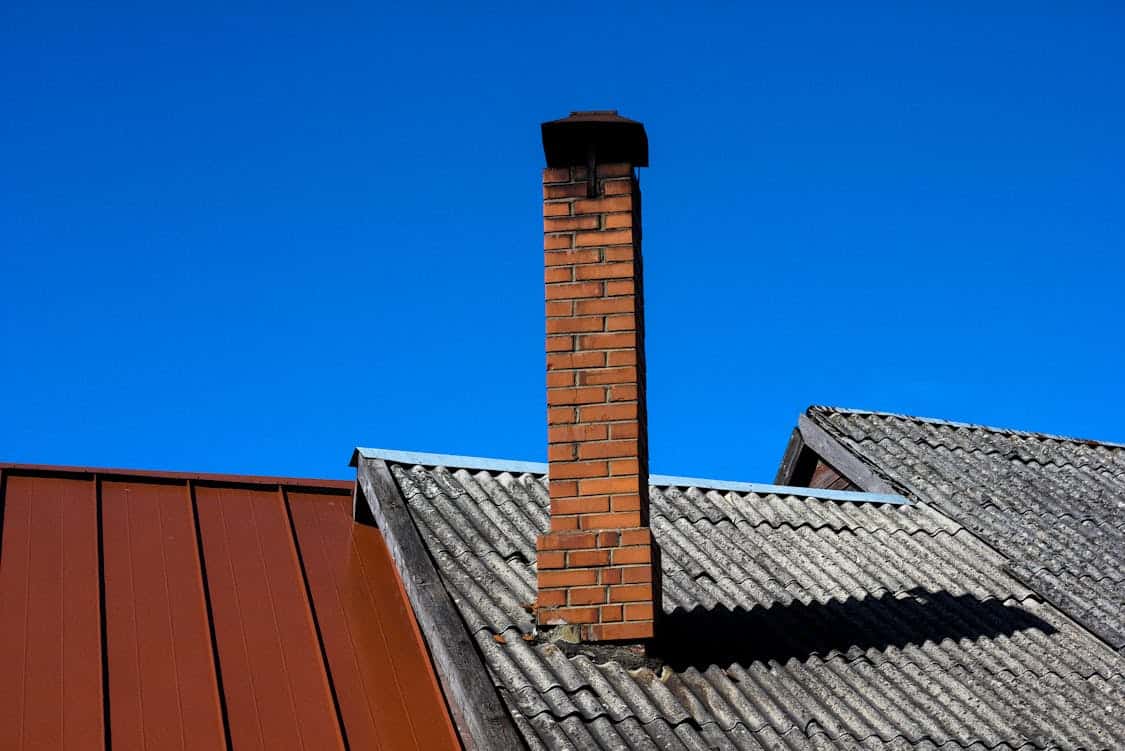
A qualified sweep or mason can run a thorough inspection that includes visual checks, a camera run down the flue, and tests for draft performance that reveal unseen problems in a frank way.
Video inspection helps locate cracked tiles, flue offsets, or loosened mortar without guessing, and it also shows how creosote deposits sit relative to any fracture points.
Inspectors will look for signs of water penetration, sagging sections of the stack, and any gaps where heat could contact framing, then recommend repair types based on what they find.
For anyone who burns solid fuel it is sensible to schedule an inspection before the heating season and after severe weather events that might shock the chimney.
Repair Options And Materials
Minor hairline cracks in the crown or surface mortar can often be repaired with a high temperature rated mortar or a polymer modified patch that bonds well to masonry and resists water entry.
When flue tiles are cracked the safest remedy is often to install a stainless steel liner that restores a continuous, heat resistant barrier between combustion gases and the structure, and that approach also improves draft in many cases.
If you spot serious damage or recurring cracks, it’s wise to schedule chimney repair st louis professionals to ensure the work is done safely and correctly.
Rebuilding a deteriorated crown, replacing missing flashing, and repointing mortar joints are common fixes that restore weatherproofing and structural strength, and choices should match local code and expected use of the fireplace.
Temporary tucks or amateur patches in the flue are risky because they might hide still active damage, so long term fixes handled by a trained contractor are a better bet.
Maintenance And Prevention
Simple habits reduce the chance that a small flaw becomes a serious hazard, for example burning well seasoned wood lowers creosote build up and keeps peak temperatures steady rather than spiking.
Making sure the chimney cap and flashing are intact keeps rain out and prevents the freeze and thaw cycles that are a frequent culprit in masonry breakdown.
Seasonal sweepings not only remove combustible deposits but also let professionals spot early cracks before they move into the realm of emergency repairs. Treat the chimney like any other part of the house that sees heavy wear and you will cut down on surprise failures.
When To Call A Professional
Call a licensed chimney sweep or mason if there are cracked flue tiles, large gaps in mortar, loose bricks, or any signs that heat has reached framing or insulation, because those conditions can escalate quickly when left alone.
Professionals carry the tools to assess draft, run cameras, test for hot spots, and recommend repairs that comply with local building rules and safety standards, which is more reliable than guesswork.
If smoke begins to enter rooms, if creosote build up reappears rapidly, or after a strong storm you notice new cracks, do not delay making the call since time often worsens the damage. A timely repair can stop a small fissure from turning into an emergency that threatens both property and people.