Surgical capacity constraints are reshaping aesthetic medicine across Ontario in ways that are only becoming apparent in 2026, and abdominoplasty procedures are bearing the brunt of the bottleneck. Wait times for tummy tuck surgery that averaged 8-12 weeks in 2024 now stretch to 20-26 weeks at many practices, and some surgeons have closed their waitlists entirely, refusing new consultations until backlogs clear. The capacity crisis reflects staffing shortages, operating room access issues, and surging demand that shows no signs of moderating.
The staffing shortage affects every level of surgical practice. Experienced plastic surgery nurses, anesthesia providers, and operating room coordinators are in critically short supply, and training new staff takes months. Surgeons can only perform as many procedures as their support teams can handle, and when nurses or anesthesiologists leave for higher-paying positions or retire, the entire practice capacity contracts immediately. That dynamic is playing out repeatedly across Ontario, creating system-wide constraints that no individual practice can solve alone.
Operating room access is another binding constraint. Most plastic surgeons maintain privileges at multiple facilities — hospitals, accredited surgical centers, private clinics — but competition for OR time has intensified as all surgical specialties face similar backlogs. Scheduling conflicts, equipment issues, and facility maintenance downtime further compress available slots. For procedures like tummy tuck surgery London Ontario, which require 2-4 hours of OR time, scheduling logistics alone can push procedures weeks into the future even when the surgeon’s calendar shows theoretical availability.
Demand for abdominoplasty has surged following pandemic-related weight fluctuations and the normalization of aesthetic procedures among broader demographics. What was once considered a procedure for post-pregnancy mothers or dramatic weight loss patients now attracts a more diverse patient base seeking body contouring for lifestyle reasons. That expanded market has overwhelmed existing surgical capacity, and the gap between demand and supply is widening rather than closing.
Insurance coverage complications add another layer of delay. While most abdominoplasties are cosmetic and paid out-of-pocket, a subset of patients qualify for coverage when the procedure addresses medical necessity — chronic rashes, hernias, or functional impairment from excess skin. Getting insurance pre-authorization for these cases can take 6-8 weeks, during which surgical slots that could accommodate the patient remain unavailable to others. The administrative burden of managing mixed cosmetic and covered procedures consumes staff time and gums up scheduling processes.
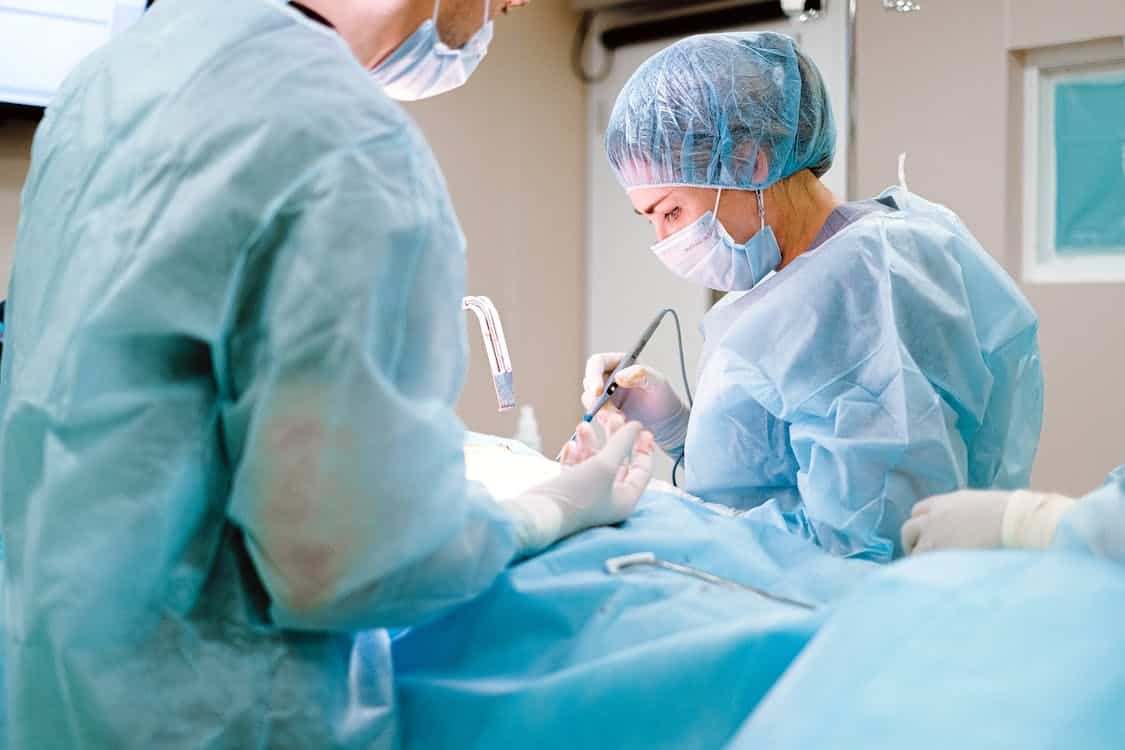
The rise of combined procedures is also affecting wait times. Patients increasingly request abdominoplasty alongside liposuction, breast surgery, or other body contouring procedures to maximize results and minimize total recovery time. These extended surgeries require longer OR blocks and more complex post-operative management, which reduces how many total patients a surgeon can accommodate monthly. The trend toward comprehensive body transformations rather than isolated procedures is efficient for patients but constraining for practice capacity.
Recovery facility availability is emerging as an unexpected bottleneck. Post-surgical recovery in monitored settings reduces complications and improves outcomes, but recovery bed capacity hasn’t kept pace with surgical volume growth. When recovery facilities are full, surgeons must delay procedures even when OR time is available, creating another scheduling constraint that compounds existing wait times. Building new recovery capacity requires capital investment and staffing that takes years to bring online.
Patient safety protocols have also lengthened procedure timelines in ways that reduce capacity. Pre-operative medical clearance, psychological screening, and optimization of chronic health conditions all extend the time between initial consultation and surgery date. While these steps improve safety and outcomes, they also mean that surgical slots freed by a cancellation often can’t be filled quickly because other patients aren’t yet cleared for surgery. The gap between theoretical and practical capacity is wider than scheduling systems alone suggest.
According to industry analysis from the American Society of Plastic Surgeons, the aesthetic surgery field is shifting toward refinement and preservation rather than complete transformation, but that hasn’t slowed procedure volume. Patients may be choosing less invasive options for facial work, but body contouring procedures like abdominoplasty remain in high demand and capacity-constrained.
Some practices are responding to wait time pressures by implementing deposit requirements and stricter scheduling policies. Patients who book and cancel repeatedly get deprioritized, while those who commit firmly and maintain flexibility on exact dates get preference. That triage approach helps manage limited capacity but creates frustration for patients who have legitimate reasons for needing schedule changes during the long wait periods.
Looking ahead, the capacity constraints are likely to persist through at least 2027 barring significant changes in staffing levels or facility availability. For patients considering abdominoplasty in Ontario, the practical message is clear: start the consultation process earlier than you think necessary, be prepared for extended waits, and maintain flexibility on scheduling to capture any available slots. The days of booking elective surgery within weeks of deciding to proceed are over, replaced by a new normal where planning horizons measure in quarters rather than weeks.