Choosing which metal to buy for long term value calls for clear metrics and a calm approach that fits personal goals and risk appetite. Gold, silver, platinum and copper each present different mixes of liquidity, industrial pull, policy influence and price history that shape returns.
The text that follows lays out steps to weigh purity, market depth, holding costs and supply signals, allowing an investor to compare apples to apples. The aim is to supply a compact toolkit that helps when sizing positions and balancing downside exposure against upside potential.
Metal Categories And Common Uses
Markets commonly split metals into precious items prized for store of value and base materials that feed industry, and that basic split plays out in price moves over time and through crises.
Precious names such as gold and silver have long been held by private savers, central banks and jewelry makers while base metals like copper, nickel and aluminum appear in wiring, construction and transport equipment in massive quantities.
Certain metals sit in the middle ground because they pull value from both jewelry demand and industrial cycles, meaning one cannot assume identical drivers across the board. Sorting metals by end use and by primary demand sectors helps an investor match a metal choice to a time horizon and a thesis about future economic activity.
Market Liquidity And Buyer Demand
Liquidity answers whether a large holding can be sold quickly without a big haircut to price, and that quality varies a great deal between markets and product forms.
Gold markets are global with deep futures contracts, bullion coins and bars that buyers accept readily in many locations, while some rare industrial metals trade in narrow channels where a single large order bends the quote.
For those seeking a trusted source to navigate these markets, many investors turn to Money Metals Exchange for guidance and access to a range of metals.
Physical shapes matter a lot because standard coins and catalogued bars trade more easily than odd sized ingots or industrial coils that need specialist buyers and more paperwork.
When judging a metal for sizeable allocation, study typical trade sizes, daily volumes and the existence of exchange traded products that allow quicker entry and exit without handling the metal itself.
Purity And Grading Standards
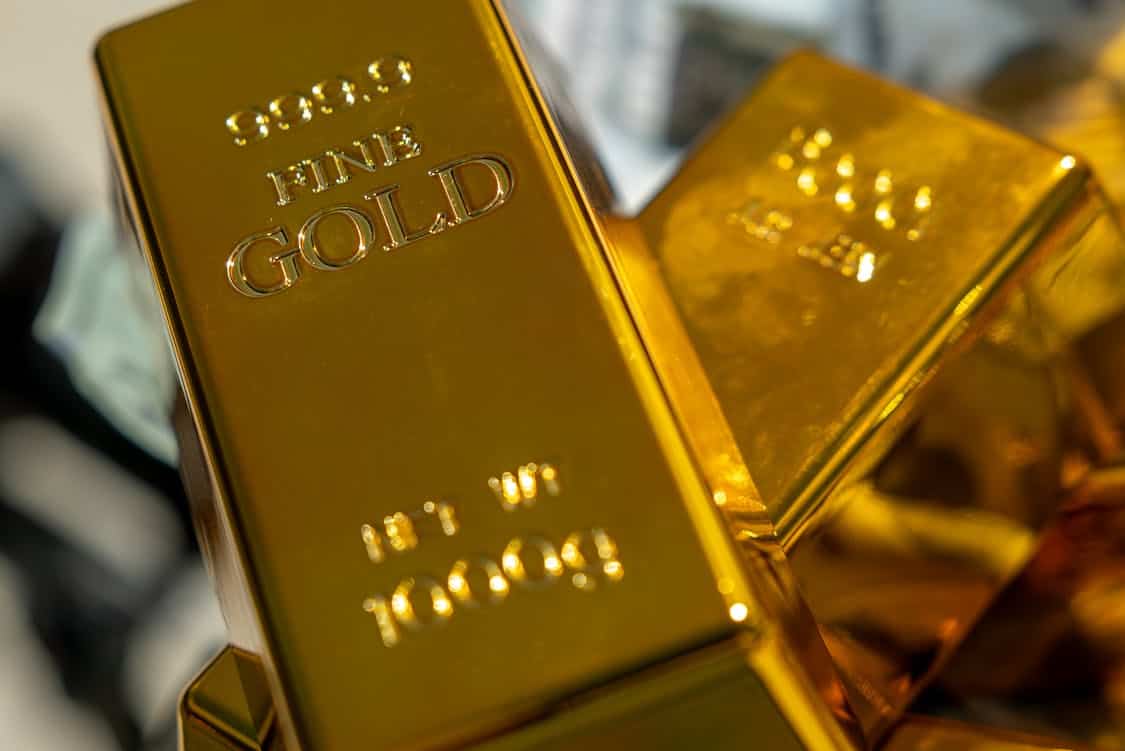
Purity levels directly affect melt value and often influence dealer spreads, with higher fineness commonly attracting a premium but calling for proper certification to command that price.
Common marks such as 999 for bullion gold or 925 for silver sterling provide a shorthand for content, and assay certificates or recognized hallmarks reduce friction at sale time because they cut down on counterparty doubt.
Collector grade coins and pieces carry numismatic premiums that can move independently of base metal prices, which is why a seller should be able to separate melt value from collectible value when valuing an item.
When comparing offers, factor in assay proofing, known makers and whether a buyer will accept the piece at quoted spot rather than a lower estimate that accounts for uncertainty.
Costs Of Storage And Insurance
Keeping metal physically means ongoing charges for storage, insurance and logistics that chip away at returns, especially when positions are held for long stretches and compounded fees start to bite.
Home safes avoid monthly vault charges but introduce security risk and potential liquidity friction because a hurried sale from a private owner often yields a lower price than an exchange trade.
Professional vaulting firms and allocated accounts add trusted custody and easier settlement, yet they levy fees that should be expressed as an annual holding cost per ounce or kilogram for true comparison.
Paper based exposure via exchange traded products and allocated accounts substitutes custody fees for handling costs, but introduces counterparty and operational risks that need to be layered into any net return calculation.
Price History And Volatility
Historical price charts offer context about how a metal reacts to inflation shocks, currency moves and geopolitical stress while volatility measures quantify downside pain that averages alone hide.
Gold displays long run episodes where it rallies as a safe haven, whereas base metals tend to amplify economic cycles, rising sharply on strong manufacturing data and falling as orders drop.
Statistical tools such as rolling standard deviation, peak to trough drawdowns and autocorrelation help put numbers on what qualitative claims assert, and correlation matrices show whether a metal tends to move with stocks, bonds or commodity baskets.
Comparing these metrics across metals gives a sense of whether a candidate is likely to dampen portfolio swings or add to cyclical risk when markets reprice.
Industrial Versus Precious Roles
The split between industrial consumption and monetary sentiment explains why two metals with similar supply pictures can behave in opposite ways when news hits global markets.
Copper functions as a proxy for electrification and construction activity because it is consumed in huge tonnages in wiring and infrastructure, while gold draws flows from savers and institutions seeking an alternate store of purchasing power when currencies wobble.
When factories hum, industrial metals gain, and when investors flock to safety, precious metals often outpace industrial demand as capital seeks shelter.
Mapping which demand streams dominate for each metal clarifies whether a position is a cyclical bet tied to manufacturing output or a defensive holding tied to currency and financial angst.
Supply Risks And Mining Factors
Supply dynamics stem from geology, political exposure and the concentration of production, and tight supply can flip a benign market into a volatile one very quickly when demand shifts.
Recycling streams, scrap availability and lead times for new mine capacity all determine how elastic supply is and how quickly markets can absorb an unexpected surge in buyer interest.
Geopolitical events, permitting delays and labor disputes can curtail output at short notice, creating squeezes that show up as sharp price moves; that is why production data and cost curves receive close attention.
Bringing together mine production, reserve estimates and recycling rates helps an investor estimate whether a price rise will attract new supply or simply tighten availability further.
Practical Tips For Portfolio Balance
Position sizing should reflect total exposure and a tolerance for both price swings and liquidity constraints, and it is unwise to place a dominant share of assets into a single metal purely because of a recent run.
Blend physical holdings with paper instruments to manage entry and exit costs, tax treatment and custody demands while keeping a clear plan for how each exposure will be liquidated if stress arrives.
Set rebalancing rules tied to price thresholds, shifting demand signals and updated cost assumptions, and test small trades to learn execution ropes before scaling up to larger lots.
Keep learning through data and experience, and let instinct that has been road tested by small moves work alongside objective metrics so decision making is both nimble and grounded.