Silver coins offer a tactile way to own a portion of the metal markets and a counterbalance to paper assets. New investors often fixate on the spot price and overlook several practical rules that shape actual outcomes.
Grasping five core facts early can reduce surprises and help set realistic expectations for gains and costs.
1. Purity Weight And Hallmarks
Silver coins are defined by two basic attributes, purity and weight, and both directly affect what a buyer will pay. Modern bullion issues commonly carry marks that show fineness at nine hundred ninety nine fine, while older or mixed date coins might be marked nine hundred twenty five or bear no clear stamp at all.
Weight is typically expressed in troy ounces and that unit differs from the ordinary ounce found in day to day measures, so always check the fine print on a sale. Hallmarks, mint marks, and year of issue tell a compact story about origin and composition that helps buyers and sellers reach agreement.
When you inspect coins, clear stamps are the first line of verification and they reduce the need for more invasive tests. Dealers and serious collectors will follow up with density checks, electronic assays, or acid tests when provenance is unclear.
Purity matters because it determines how close a coin trades to the raw metal value rather than to a collectible premium that can fluctuate wildly. A batch of uncertain pieces can add friction when it is time to convert metal back into cash.
2. Spot Price Premiums And Dealer Margins
Every silver transaction starts with the spot price, the market reported value of a troy ounce, and then adds premiums that reflect manufacturing and distribution costs. Those premiums cover minting, freight, storage, and the seller margin, and they can vary from nearly negligible on very large orders to quite high for small retail purchases.
Collectible coins or limited mintage pieces will carry separate markups that have less correlation to the raw metal move, sometimes holding their value when spot price is flat. Watching spreads between buy and sell quotes gives a practical sense of what you will actually earn on a position.
Shopping around can shave points off the all in cost if you are willing to compare offers and factor in shipping or handling times. Online markets often show tighter spreads but you take on shipping risk and wait time, while local dealers add convenience for immediate settlement.
For many buyers, reviewing updated figures on silver spot money metals provides valuable context for whether those spreads are reasonable or inflated.
Premiums expand quickly when demand surges during economic stress or holiday buying, and that can cut short term gains even when the underlying metal rises. If you buy at a moment of high demand, returns typically lag the metal move until those extra costs compress.
3. Recognizable Coins Boost Liquidity
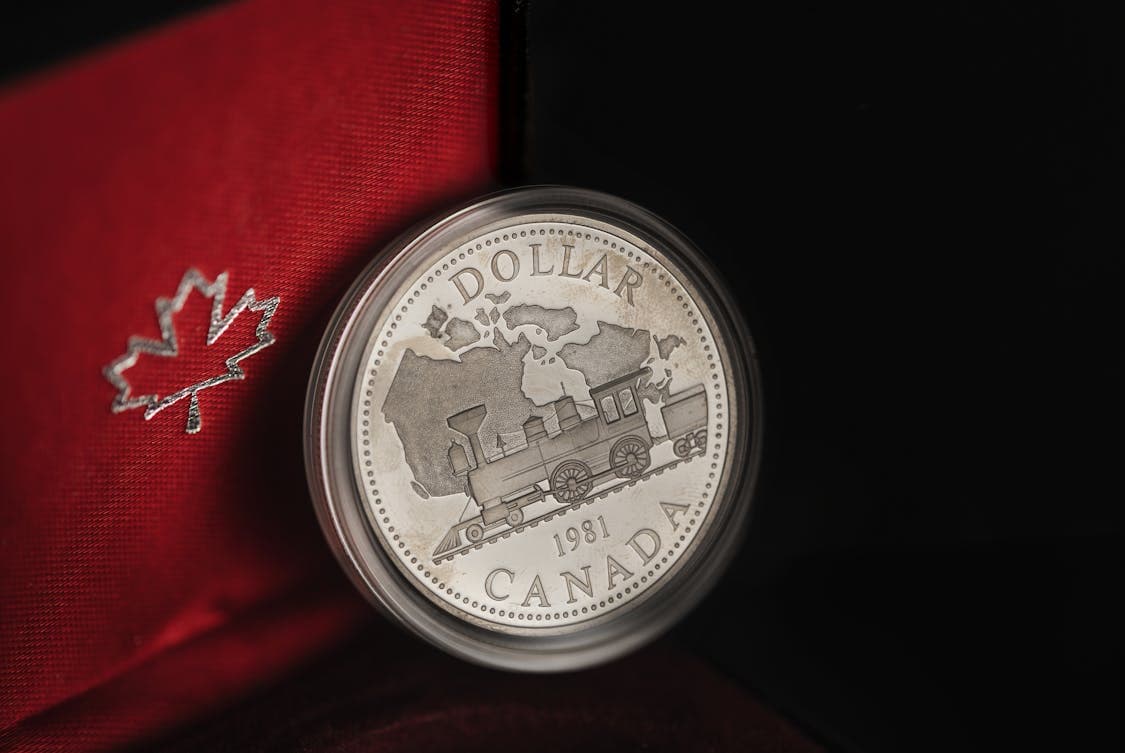
Liquidity is the ease with which an asset converts to cash without a steep discount, and recognizable government issued coins often lead in that department. Pieces such as the American Silver Eagle, the Canadian Maple Leaf, and the Mexican Libertad enjoy broad acceptance and a deep secondary market across many countries.
Generic rounds from smaller private mints can be perfectly fine but they tend to trade with wider spreads and slower turnover, making exit timing more important. Condition, original packaging, and proof sets play a role too, because buyers often prize visual integrity when paying top dollar.
Encapsulated coins with a grading slab and serial number commonly find buyers faster because the slab conveys an agreed assessment of condition. That formal grading simplifies transactions and reduces haggling over centering, luster, or microscopic wear that matters to collectors.
Liquidity also shifts by geography, so a coin that sells quickly in one city might be harder to move in another where local tastes differ. Keep a sensible balance between popular issues and niche pieces so you do not trap capital in slow moving holdings.
4. Storage Security And Insurance
Holding physical silver brings ongoing practical choices about where and how to store it, and those choices affect both convenience and cost. Options include a secured home safe for quick access, a bank safe deposit box for moderate security, and private vaulting services for larger sums that want professional custody and inventorying.
Insurance can protect against theft and damage, and many insurers require a documented inventory and photographs before providing full coverage. Recurring fees for storage and coverage should be treated as part of the investment cost rather than an optional add on.
Do not put all your eggs in one basket when it comes to physical holdings and consider splitting locations to reduce concentrated risk from a single event. A clear written inventory with purchase receipts and dated photographs speeds any claim process and helps establish provenance for later sales.
Buyers and auction houses pay a premium for known history and intact original packaging, which can also ease audits or tax reviews. When you tally the total price of ownership, include storage access times, transport costs, and any recurring fees so comparisons across sellers are apples to apples.
5. Taxation And Record Keeping
Tax treatment for silver coins differs by jurisdiction and can depend on whether an asset is treated as commodity, currency, or collectible under local law. Some regions treat bullion as a capital asset subject to capital gains rules, while others give coins a different tax status that affects how gains and losses are reported and taxed.
Maintaining orderly records of invoices, dates of purchase, serial numbers, and sale receipts helps reduce disputes and clarifies base cost when a tax bill comes due. Those same records let you calculate net returns that account for premiums, storage fees, and broker charges.
When selling higher value pieces, provenance documentation and graded slab numbers simplify valuation and speed both private sale and formal audit processes. Small informal trades can slip under reporting thresholds but larger or repeated transactions invite scrutiny and may trigger reporting obligations.
A tax adviser who knows local rules can show how reporting thresholds apply and which documents to keep for the statutory period. Planning paperwork as you buy and sell keeps cash flow surprises to a minimum and makes the whole process less painful.